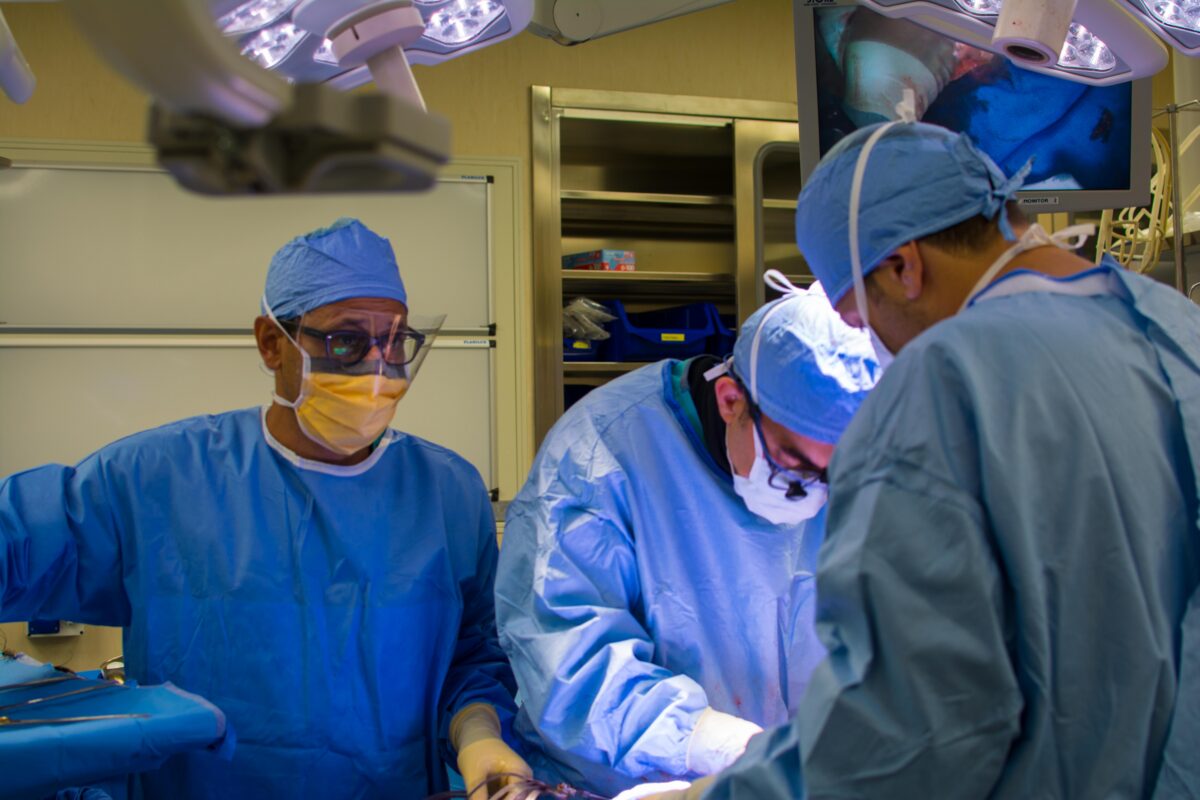
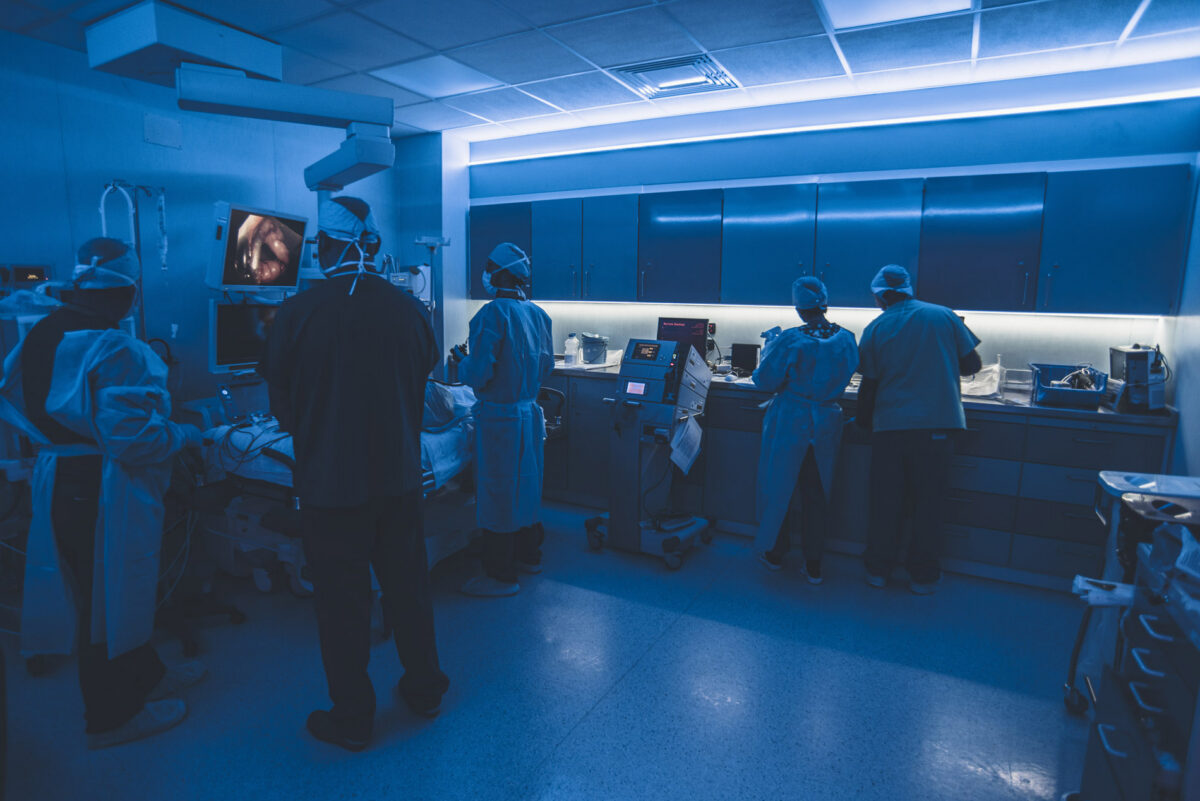
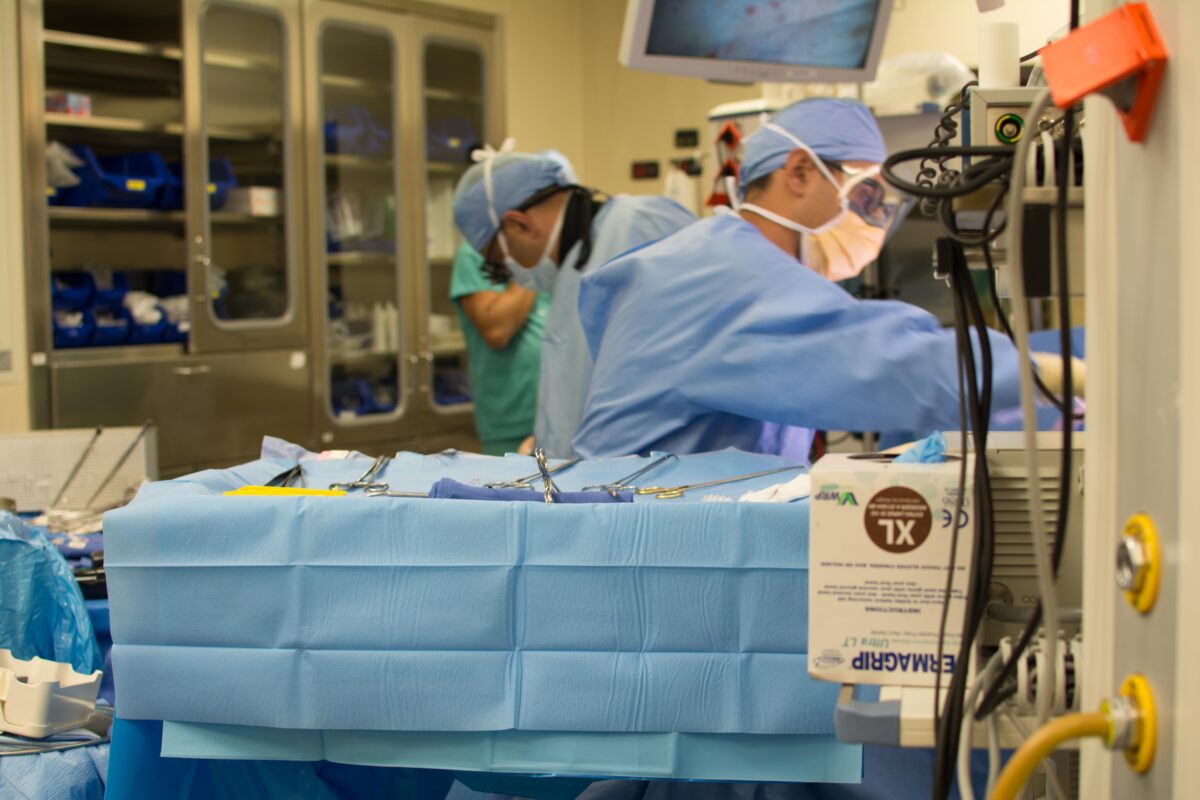
The Abdominal Surgery and Abdominal Transplantation Unit focuses on diagnosis and treatment of hepatobiliary and pancreatic diseases, and cancer-related conditions, in adult and pediatric patients. Clinical services provided include elective and emergency inpatient care, day hospital services, day surgery, and one-day surgery, outpatient consults and pre-admission diagnostic tests. Evidence-based protocols ensure the highest standards of expertise and appropriateness of care.
The Unit is committed to responding promptly to patients’ needs delivering high-quality care. Diagnostic and therapeutic approach is multidisciplinary and involves specialists from a wide range of disciplines, including anesthesiologists and critical care physicians, oncologists, radiologists, endoscopists, gastroenterologists, hepatologists, cardiologists, pulmonologists, diabetologists, infectious disease specialists, nephrologists, neurologists, nutritionists, and psychologists.
Abdominal Transplants
The Unit is a key component of the Sicilian Regional Organ Transplant Center and is actively involved in a wide range of abdominal transplantation procedures. Its core activities include liver, kidney, and pancreas transplantation, as well as combined transplantation of multiple abdominal and/or thoracic organs. These procedures are performed to treat both acute and chronic organ failure in adult and pediatric patients.
The Unit utilizes organs recovered from both deceased brain-dead donors and living donors. All currently available surgical techniques are employed, including whole-organ transplantation, partial-organ transplantation from split-liver grafts or living donors, and dual-organ transplantation procedures, such as dual-kidney transplantation.
The Unit also places a strong emphasis on living donation and makes extensive use of minimally invasive laparoscopic techniques for living-donor kidney procurement.
Diagnosis and Treatment of Hepatobiliary Diseases
The Unit is dedicated to comprehensive diagnosis and treatment of liver and biliary tract diseases, offering a full range of diagnostic services, including invasive diagnostics, to identify and evaluate both benign and malignant diseases.
Different therapeutic approaches are adopted, from interventional radiology to operational endoscopy, to laparoscopic and traditional surgical procedures. Mini-invasive surgery allows minor and major liver resections through laparoscopic techniques, and ablative treatments such as radio frequency and microwave for neoplastic diseases. Since 2015, more than 1,100 hepatic resections have been performed, confirming the Center’s consolidated experience in this field. This approach has shown significant benefits in the postoperative period, resulting in better pain management and a more timely recovery.
In addition, minimally invasive surgery extends the scope of surgery to patients with liver cirrhosis. Complex reconstructive liver surgery includes multi-time procedures, interventions following vascular embolization or selective vascular ligation treatments, procedures with vascular exclusion or extracorporeal circulation, or with vascular reconstruction.
Diagnosis and Treatment of Pancreatic Diseases
The Unit offers a comprehensive range of services for pancreatic diseases through Sicily’s first multidisciplinary center dedicated to pancreatic care. Bringing together specialists from multiple disciplines, including surgery, gastroenterology and endoscopy, oncology, pathology, and radiology, IRCCS ISMETT provides diagnosis and treatment of a broad range of pancreatic disorders. Since 2015, more than 550 pancreatic resections have been performed, reflecting the Center’s extensive expertise in this field. Surgical procedures are carried out with both conventional and laparoscopic techniques.
Throughout the preoperative, intraoperative, and postoperative phases of care, a variety of diagnostic and therapeutic modalities are employed, including endoscopic ultrasound (EUS), interventional endoscopy, intraoperative ultrasound, percutaneous cholangiography, and locoregional ablative therapies.
Diagnosis and Treatment of Gastrointestinal Diseases
The Unit’s surgical program for gastrointestinal cancers encompasses the full spectrum of care, from diagnosis to surgical treatment, with a particular focus on organ-preserving oncologic procedures. Laparoscopic surgery is widely utilized in this field, enabling increasingly conservative surgical approaches aimed at preserving patients’ quality of life.